What to Expect From Cosmetic Dentistry in Bakersfield CA


A cosmetic dental consultation tends to start with a simple question that is harder to answer than most people expect: what, exactly, would you like to change?
Some patients come in with a clear target. They want whiter teeth before a wedding, straighter front teeth for work photos, or a chipped incisor repaired after years of noticing it in every mirror. Others only know that their smile no longer looks like it used to. They may say their teeth look worn down, uneven, darker than before, or just tired. That is often where the real work begins, especially when someone is exploring Cosmetic Dentistry Bakersfield CA providers for the first time.
Cosmetic dentistry is not one thing. It is a category that includes whitening, bonding, veneers, enamel reshaping, orthodontic alignment with clear trays, gum contouring, and full smile redesigns that combine several treatments. What you can expect depends on your starting point, your budget, your timeline, and whether your needs are purely aesthetic or mixed with function. The best cosmetic results usually come from dentists who pay close attention to bite, gum health, enamel condition, and facial balance, not just tooth color.
In Bakersfield, where many adults want natural-looking improvements rather than dramatic Hollywood-style makeovers, the trend has moved toward conservative treatment. People generally want to look refreshed, healthy, and polished. They do not want a smile that announces expensive dental work from across the room. That distinction matters because it shapes the treatment plan, the materials used, and the conversations you should expect during your visit.
The first appointment is more detailed than most people assume
A proper cosmetic consultation should feel more like planning than selling. If the visit is rushed, or if someone starts recommending veneers before examining your gums, bite, existing restorations, and oral hygiene habits, that is a warning sign.
Most consultations begin with a conversation about goals, habits, and concerns. A dentist may ask whether you grind your teeth, drink coffee daily, smoke, clench during stress, or have had previous dental work on the front teeth. Those details are not small talk. They directly affect what will last and what may fail early. A patient who wants bright porcelain veneers but also grinds aggressively at night is walking into a very different treatment plan than someone with untouched enamel and a stable bite.
Expect photos, X-rays when needed, and a close visual exam. Many offices also use digital scans instead of traditional impressions. Scans can help show tooth wear, crowding, edge position, and spacing with good precision, and they often make planning more comfortable. In some cases, the dentist may take shade measurements or show you how changes in tooth width, length, and contour can affect your smile.
This is also the stage where a good cosmetic dentist slows things down. They should explain what is possible, what is not, and what should be treated first. If you have untreated decay, gum inflammation, or old fillings that are leaking, those issues usually need attention before cosmetic work starts. It can feel disappointing when someone wants veneers and hears they need periodontal treatment first, but healthy foundations matter. Beautiful work placed on unhealthy teeth or inflamed gums rarely stays beautiful for long.
Cosmetic goals are personal, and that changes the treatment plan
One of the biggest misunderstandings about cosmetic dentistry is the assumption that everyone wants the same result. They do not.
A 26-year-old who wants one chipped tooth repaired before engagement photos has a completely different path than a 58-year-old dealing with decades of enamel wear, old bonding, recession, and flattening of the front teeth. Cosmetic dentistry can help both patients, but the treatment philosophy is different.
For smaller changes, conservative options often work extremely well. Whitening, edge bonding, minor contouring, and orthodontic movement can noticeably improve a smile without removing much tooth structure. For larger changes, porcelain veneers or crowns may be appropriate, but only when the case supports them. There is real judgment involved here. The best cosmetic dentists are not the ones who push the biggest case. They are the ones who know when less is more.
A patient with slightly crowded but healthy front teeth may be better served by clear aligners and whitening than by six or eight veneers. That route may take longer, but it preserves enamel and often produces a more believable result. On the other hand, someone with multiple old fillings, discoloration from trauma, or uneven wear may get a more stable and aesthetic outcome with porcelain restorations.
What common cosmetic treatments actually involve
The phrase "cosmetic dentistry" covers a wide range of procedures, and each comes with its own timeline, cost range, and maintenance needs. Patients are often surprised that the fastest option is not always the best option.
Here are the treatments people ask about most often:
- Professional whitening works well for many healthy natural teeth, especially surface and age-related staining. It does not change the color of crowns, veneers, or fillings, and it may be limited by internal discoloration from trauma or medications.
- Dental bonding uses tooth-colored resin to repair chips, close small gaps, and reshape edges. It is conservative and usually less expensive than porcelain, but it can stain and wear over time.
- Porcelain veneers can change color, shape, size, and proportion dramatically. When done well, they look elegant and natural. They also require planning, precision, and long-term maintenance.
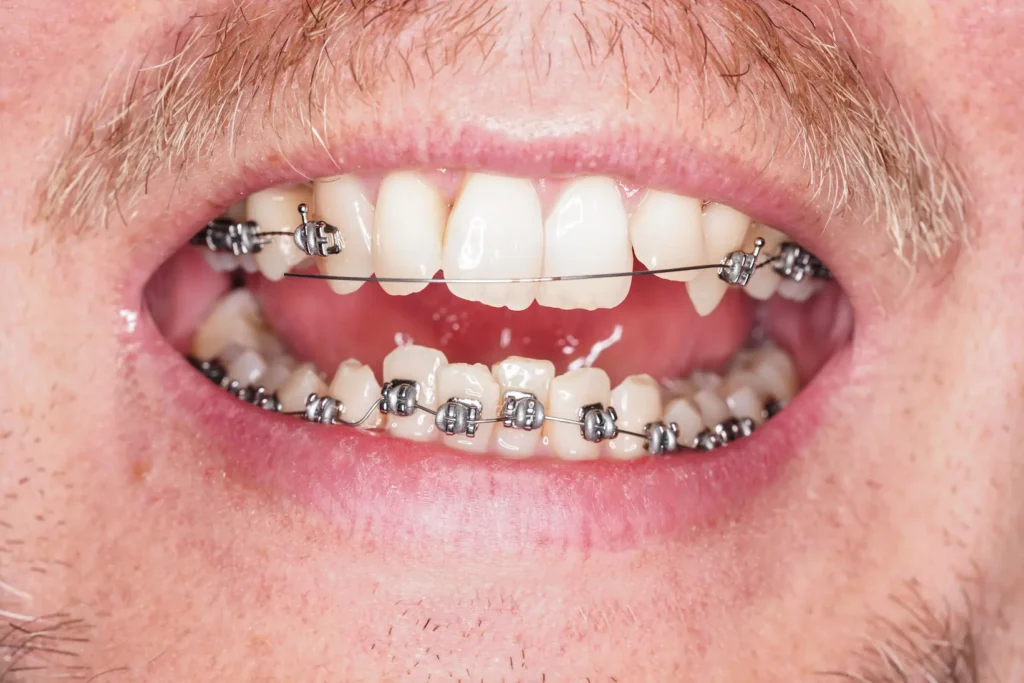
- Clear aligners improve alignment, spacing, and bite relationships. Many cosmetic cases look better after straightening, even if whitening or bonding is still needed afterward.
- Crowns or full-mouth rehabilitation may be necessary when aesthetics and function are both compromised by heavy wear, large restorations, or bite collapse.
None of these options is automatically superior. Whitening is ideal for one patient and useless for another. Bonding may outperform porcelain in a teenager or young adult whose teeth are still changing. Veneers can be life-changing in the right hands, but they are not a shortcut for every cosmetic complaint.
Whitening is simple, but not always straightforward
Teeth whitening gets marketed as quick and easy, and sometimes it is. Many people in Bakersfield considering Cosmetic Dentistry Bakersfield CA services start here because it is the least invasive place to begin. That is reasonable, but expectations matter.
Whitening works best on natural teeth with yellow or brown external staining. It is less predictable on gray discoloration, tetracycline staining, or teeth that darkened after trauma. It also will not brighten crowns, veneers, or composite fillings. That can create a mismatch, especially in the front of the mouth, and it is something the dentist should mention before treatment starts.
In-office whitening may produce visible changes in one visit, while take-home trays often give more gradual control over sensitivity and final shade. In practice, a lot of patients do well with custom take-home trays because they can manage the pace. If someone has a history of sensitivity, that slower route can be the difference between a pleasant experience and one they regret.
A common clinical reality is that whitening reveals other issues. Once the natural teeth brighten, older fillings may suddenly look darker. Tiny chips that never bothered the patient can become more obvious. This is not a failure of whitening. It is often just the first step in a larger cosmetic plan.
Veneers can be excellent, but they are not a casual decision
Few treatments are surrounded by more confusion than veneers. Some patients believe veneers are fake-looking covers that ruin healthy teeth. Others assume they are a universal fix for every smile concern. Neither view is accurate.
Porcelain veneers can deliver excellent results when the case is selected carefully and the dentist respects facial proportions, lip dynamics, phonetics, gum contours, and bite function. The nicest veneer cases rarely scream "veneers." They simply look like strong, healthy, attractive teeth that fit the person’s face.
Still, veneers involve trade-offs. Even minimal-prep approaches are not the same as doing nothing. Bonding a porcelain restoration to enamel can be highly durable, but the decision should not be made casually, especially for younger patients. If someone is 22 and mainly unhappy with mild crowding and slightly short lateral incisors, aligners and edge bonding may be the smarter first move. If someone is 49, has old composite repairs on six front teeth, generalized discoloration, and uneven wear, veneers may be the most efficient way to restore harmony.
You should expect a careful preview process. Some offices provide wax-ups, digital smile simulations, or temporary mockups so you can evaluate shape and length before the final porcelain is made. That preview is valuable. Tiny changes in incisal edge position can alter speech, lip support, and how the smile looks at rest. What appears ideal in a close-up photo may feel too long or too square in daily life. Good cosmetic planning accounts for that.
Straightening often improves aesthetics more than patients realize
A Cosmetic Dentistry Bakersfield CA lot of adults think orthodontics is only for major crowding or adolescence. In reality, minor tooth movement can create some of the most elegant cosmetic changes with the least damage to natural tooth structure.
Clear aligners are often part of modern cosmetic treatment because they create space, level the edges, improve symmetry, and reduce the need for aggressive reshaping. Even a few months of movement can make whitening and bonding look better afterward. The teeth reflect light more evenly, black triangles may reduce, and the smile line can become more balanced.
This matters in real-world treatment planning. A patient may arrive asking for veneers on eight upper teeth because one front tooth overlaps another. After a scan and a discussion, the dentist may recommend several months of alignment first, followed by conservative bonding or whitening. That route takes more patience, but it preserves options. It also tends to age better.
Of course, aligners require compliance. If a patient knows they will not wear trays as directed, the plan should reflect that honestly. Cosmetic dentistry works best when the treatment fits the patient’s habits, not just the ideal textbook scenario.
Gum shape plays a bigger role than most people think
People focus on tooth color and straightness, but gum architecture often determines whether a smile looks polished. Teeth can be bright and beautifully restored, yet the overall result still feels off if the gum line is uneven or inflamed.
In some cases, simple gum contouring can improve smile symmetry significantly. A tooth that looks short may not need a veneer at all. It may only need a small amount of gum reshaping to reveal more natural crown structure. In other situations, puffy or bleeding gums make any cosmetic work look unfinished, even if the restorations themselves are excellent.
This is one reason comprehensive evaluation matters. Cosmetic success is not just about the teeth in isolation. It is about the relationship between teeth, gums, lips, and facial movement. A smile at rest, a full smile, and speech positions all tell part of the story.
Bakersfield patients often balance appearance, durability, and value
Cost matters, and any honest conversation about cosmetic dentistry should say that clearly. Prices vary widely based on materials, case complexity, lab work, and how many teeth are involved. A single bonding repair is very different from a porcelain veneer case across the upper front teeth. A whitening plan with custom trays is different from a full rehabilitation that changes both aesthetics and bite.
Patients in Bakersfield often ask whether they should phase treatment over time. In many cases, yes. That can be a practical and sensible approach. Whitening may happen first, orthodontic alignment second, and selective bonding or porcelain later. Staging treatment lets patients spread out costs and make decisions with more confidence.
It also helps avoid overtreatment. Once someone sees the result of whitening and alignment, they may no longer want as many restorations as they first imagined. That is a good outcome. Cosmetic dentistry should clarify choices, not narrow them unnecessarily.
The lab matters more than patients usually realize
When porcelain is involved, the laboratory is part of the final result whether patients know it or not. Shade, translucency, texture, edge shape, and surface character all depend on communication between the dentist and the ceramist. A skilled clinician with a weak lab partner can still end up with restorations that look flat, opaque, or generic.
This is where professional photography and detailed shade records are useful. Front teeth are nuanced. Natural enamel has variation. It reflects light differently at the edge than near the gum line. Teeth are not blank white tiles, and the nicest cosmetic work respects that complexity.
If you are investing in veneers or visible crowns, ask how the office plans cases and works with its lab. That question is not nitpicking. It gets to the heart of why some cosmetic cases look seamless and others look artificial.
Longevity depends on habits as much as materials
Patients understandably want to know how long cosmetic work lasts. The honest answer is that longevity depends on the procedure, the bite, oral hygiene, diet, and habits like clenching or nail-biting.
Bonding can last years, but it may chip or stain sooner than porcelain. Whitening fades and usually requires touch-ups. Veneers can hold up well for many years, but they are not indestructible. Clear aligner results need retention or teeth will drift. Even beautifully done dentistry can fail early if a patient grinds heavily and never wears the night guard they were given.
That is not a reason to avoid treatment. It is simply part of informed consent. Good cosmetic dentistry includes a maintenance plan. If an office presents a smile makeover as a one-time event with no mention of follow-up, polishing, night guards, or replacement cycles, something is missing from the conversation.
What a thoughtful office should explain before you commit
Before moving forward, you should feel clear on the practical side of treatment, not just the visual promise. That includes how long the process takes, whether temporary restorations are needed, how many visits are expected, what maintenance looks like, and what limitations apply to your case.
A few questions are worth asking directly:
- What are the most conservative options for my goals?
- Will this treatment change healthy tooth structure, and if so, how much?
- How will my bite, grinding, or old dental work affect the result?
- What kind of maintenance or replacement should I expect over time?
- Can I preview the shape or look before anything final is made?
These questions often lead to the most useful answers. They move the discussion beyond sales language and into the real substance of treatment planning.
The emotional side is real, and often underestimated
Cosmetic dentistry is not only about appearance. For many adults, it touches confidence, self-consciousness, and identity. People learn to smile with closed lips, cover their mouth when laughing, or angle their face away in photos without fully realizing how often they do it. A small cosmetic improvement can have an outsized effect when it addresses something a person has noticed every day for years.
At the same time, the emotional side can complicate expectations. A thoughtful cosmetic dentist pays attention to that. If a patient expects one procedure to change their social life, career, or self-esteem overnight, the conversation needs grounding. Dentistry can improve a smile significantly. It cannot solve every underlying insecurity. The best experiences happen when the technical plan and the personal goal are both realistic.
Natural-looking results usually come from restraint
The most impressive cosmetic cases are often the ones you cannot identify as dental work. The teeth suit the face. The color is bright but believable. The incisal edges are refined without looking stamped out. The smile looks healthier and more harmonious, not exaggerated.
That kind of result usually comes from restraint and planning, not excess. It may involve doing less porcelain, more orthodontics, gentler whitening, or smaller shape changes than the patient initially expected. It may also involve treating the lower teeth, adjusting the bite, or improving gum health before touching the most visible front surfaces.
Anyone looking into Cosmetic Dentistry Bakersfield CA options should expect a process that is equal parts aesthetics and judgment. The right dentist will not rush to the flashiest answer. They will study how your teeth function, listen carefully to what bothers you, and build a plan that fits your face, habits, and priorities. When that happens, cosmetic dentistry does not look artificial or overdone. It looks like you on your best day, rested, confident, and entirely believable.
Toothworks of Bakersfield, Dentist and Orthodontist
Address: 1030 H St #1, Bakersfield, CA 93304
Phone number: +16613239421
FAQ About Cosmetic Dentistry Bakersfield CA
What is considered cosmetic dentistry?
Cosmetic dentistry includes any dental treatment focused primarily on improving the appearance of your teeth, gums, or bite rather than treating a disease or restoring basic function.
How much does cosmetic dentistry usually cost?
The cost of cosmetic dentistry typically ranges from a few hundred dollars for minor touch-ups to over $20,000 for a comprehensive smile makeover, depending entirely on the specific procedure, materials used, and how many teeth are treated. Because most cosmetic treatments are elective, they are usually paid out of pocket without insurance coverage.
Is there a difference between a regular dentist and a cosmetic dentist?
Yes, a regular dentist focuses on your overall oral health and preventing disease, while a cosmetic dentist focuses on improving the look of your smile.