How Teeth Whitening Fits Into Cosmetic Dentistry Bakersfield CA
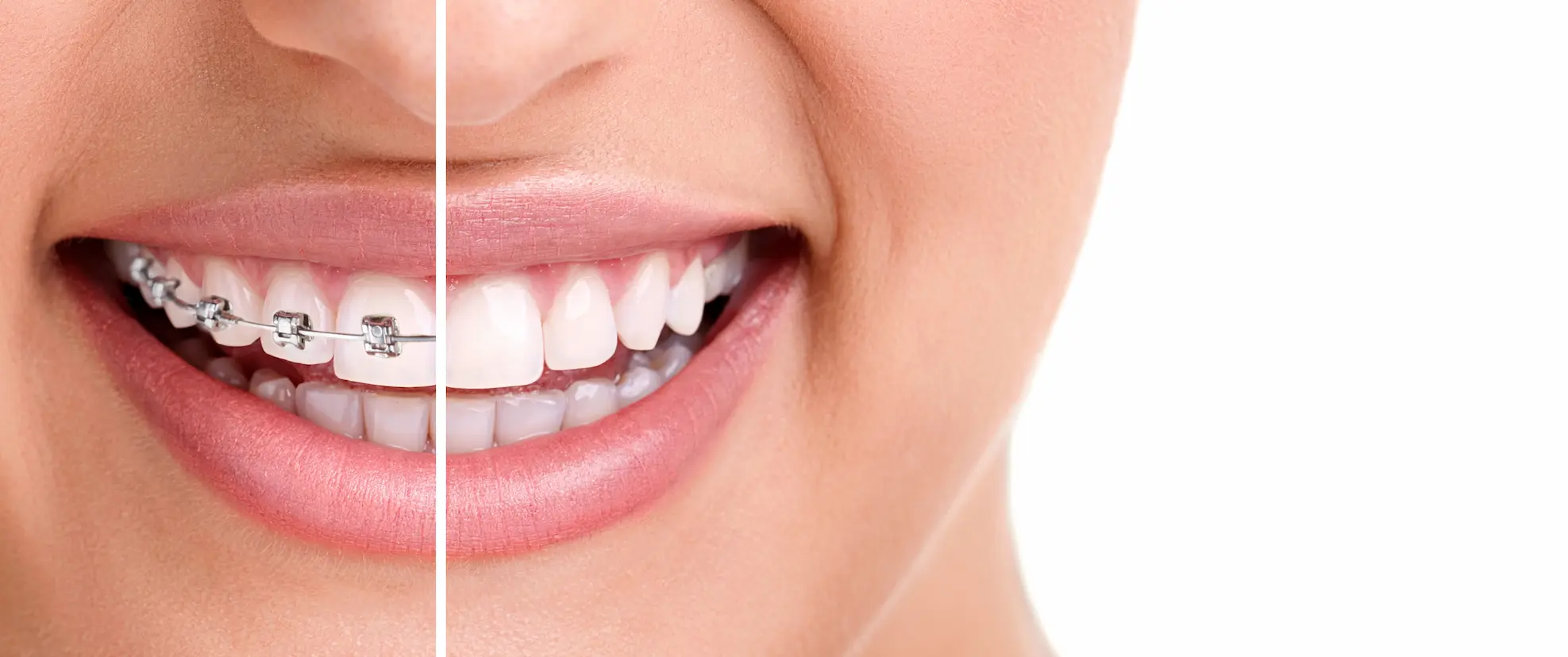
A brighter smile often looks like the simplest cosmetic change a person can make, and in many cases, it is. Teeth whitening is usually less invasive, less expensive, and faster than veneers, bonding, or orthodontic work. That convenience is part of the reason so many people start there when they want to improve their appearance. Still, whitening is not a stand-alone decision as often as people think. In a well-planned cosmetic approach, it works best when it is considered alongside gum health, bite alignment, existing dental work, and long-term maintenance.
That bigger picture matters in any community, but it shows up clearly in conversations around Cosmetic Dentistry Bakersfield CA, where patients often want practical improvements that look polished without appearing artificial. Some are preparing for weddings, job interviews, family photos, or public-facing careers. Others are simply tired of seeing coffee, tea, or age-related yellowing in the mirror. The goal is rarely just “whiter teeth.” The real goal is a smile that looks healthy, balanced, and believable on the face.
Whitening is often the first step, not the final destination
Many patients assume cosmetic dentistry begins with dramatic procedures. In reality, whitening frequently serves as the entry point because it can reveal how much improvement is possible before anything more involved is considered. A person may come in thinking they need veneers on several front teeth, only to find that whitening and a small amount of bonding create the result they wanted. Another person may discover the opposite, that whitening improves the overall shade but also makes one dark root canal-treated tooth stand out more clearly. Both outcomes are useful, because both lead to better planning.
This is where experience matters. Teeth do not whiten uniformly in every case. Natural enamel responds differently based on thickness, translucency, age, and the type of staining present. Surface stains from coffee or red wine can lift well. Deeper discoloration from trauma, certain medications, or internal tooth changes may respond less predictably. A professional assessment helps separate what whitening can realistically do from what it cannot.
In cosmetic treatment planning, whitening often functions like repainting a room before choosing artwork and furniture. Once the background is cleaner and brighter, the dentist and patient can judge shape, symmetry, and color match more accurately. That prevents overtreatment and often saves money.
What whitening actually changes, and what it does not
Whitening changes the color of natural tooth structure. That sounds obvious, but it is one of the most important practical points in cosmetic care. Fillings, crowns, veneers, and bonding materials do not lighten the way enamel does. If a patient has visible restorations on front teeth, whitening may brighten the surrounding natural teeth while leaving older dental work unchanged. Sometimes that still looks fine. Sometimes it creates an obvious mismatch that needs to be addressed afterward.
The same principle applies to expectations. Whitening can improve brightness and reduce yellow or brown tones, but it does not reshape chipped edges, straighten crowding, close gaps, or fix uneven gumlines. It is a color treatment, not a geometry treatment. The best cosmetic outcomes come from understanding that distinction early.
A useful consultation often includes a discussion of three things at once: shade, shape, and harmony. Shade is what whitening handles directly. Shape may involve contouring or bonding. Harmony includes how the smile fits the lips, face, and neighboring teeth. When whitening is approached as one tool among several, the result tends to look far more intentional.
Why professional whitening tends to fit cosmetic plans better
Over-the-counter products have a place. Many people use whitening strips or retail trays and see some improvement. But from a cosmetic dentistry standpoint, professional whitening usually integrates more cleanly into a comprehensive plan because it is tailored, documented, and supervised.
Custom whitening trays, for example, can distribute gel more evenly than one-size-fits-all products. That matters when a patient has uneven tooth contours, slight rotations, or areas that tend to dehydrate and look chalky. In-office whitening may be useful when someone needs faster change, but take-home systems often provide more controlled results over one to two weeks. The right approach depends on sensitivity history, timeline, and starting shade.
A dentist can also tell when whitening should wait. If someone has untreated cavities, leaking restorations, exposed roots, or active gum inflammation, bleaching agents may cause unnecessary pain and frustration. In those cases, addressing health issues first is not a sales tactic. It is the only responsible sequence.
In the context of Cosmetic Dentistry Bakersfield CA, this sequencing matters because cosmetic treatment should still rest on functional, healthy dentistry. A bright smile will never look quite right if the gums are inflamed or the teeth have rough, failing margins.
The role of whitening before veneers, bonding, or crowns
One of the most common planning mistakes is choosing veneer or bonding shades before whitening the surrounding natural teeth. That can lock a patient into restorations that are slightly darker than necessary. Once ceramic or composite is placed, it does not respond to bleach. If the patient later whitens adjacent teeth, the restorations may suddenly look too yellow or too gray by comparison.
For that reason, many cosmetic dentists prefer to whiten first, allow the shade to stabilize, and then match any new restorative work to the brighter baseline. This is particularly useful in cases involving one or two front teeth that need bonding or crowns while the others are healthy enough to keep.
There is also a psychological benefit. After whitening, some patients realize they no longer want extensive treatment. A person who thought six veneers were necessary may feel satisfied after whitening plus minor reshaping of one edge. Another patient may still choose veneers, but now with better clarity about what aspect they want to change, whether that is color uniformity, worn edges, or a narrow smile.
That kind of restraint is often a sign of good cosmetic judgment. The best dentistry is not the most dentistry. It is the treatment that solves the actual problem with the least unnecessary intervention.
When whitening is enough on its own
Sometimes whitening really is the whole answer. Patients with generally straight teeth, good enamel, and mild to moderate staining can see a striking difference from a conservative whitening plan. This is especially true when the smile already has pleasing proportions and the discoloration is the main source of dissatisfaction.
Typical situations where whitening alone may satisfy the patient include the following:
- Mild yellowing from age, coffee, tea, or wine
- A smile with good alignment and no visible restorations on front teeth
- Patients seeking a quicker cosmetic refresh before an event
- Younger adults with healthy enamel and limited structural wear
- People testing whether cosmetic dentistry is worth pursuing further
Even then, “enough” is a personal standard. Some patients want a noticeable but natural lift. Others want the brightest shade that still looks credible. Those are different goals, and they should be discussed plainly before treatment begins.
When whitening is not enough
There are also cases where whitening improves things but leaves the patient unsatisfied for reasons that have little to do with color. A bright but chipped front tooth still looks chipped. Uneven incisal edges still catch the eye. Crowding can create shadows that make teeth appear darker no matter how white they are. Old bonding can become more conspicuous after the surrounding enamel lightens.
This is where cosmetic dentistry becomes more nuanced. A person may need contouring to soften a sharp edge, bonding to rebuild wear, or orthodontic treatment to reduce overlap before whitening can really shine. In more advanced smile makeovers, whitening plays a supporting role rather than the starring one.
A common real-world example is the patient whose upper front teeth have small fillings placed years ago. Whitening brightens the natural enamel, which is good, but now the fillings look opaque and flat. Replacing just those small restorations after whitening can dramatically improve the final appearance without moving to veneers. That is the sort of measured, conservative upgrade that often gets overlooked when whitening is seen as a product rather than a treatment step.
Shade goals need realism
One challenge in cosmetic consultations is that people often compare themselves to edited photos, celebrity veneers, or dehydrated “after” images taken under bright operatory lighting. Natural teeth have variation. They reflect light differently from ceramic. They are also attached to a real face with skin tone, lip shape, and age cues that influence what looks attractive.
Whiter is not always better. Extremely bright shades can flatten a smile and make it look disconnected from the person, particularly when the surrounding teeth show translucency or mild wear. Most experienced dentists aim for brightness that reads as healthy and clean, not fluorescent. The best result is often the one other people notice without being able to identify why.
That judgment becomes especially important in professional settings where patients want confidence and polish. A salesperson, attorney, teacher, or healthcare professional may want a smile that photographs well and appears cared for, but not one that becomes the only thing people see. In those cases, restraint usually ages better than trend-driven whiteness.
Sensitivity, safety, and the trade-offs patients should know
Whitening is generally safe when used appropriately, but it is not free of trade-offs. Temporary sensitivity is the most common issue. Some patients describe quick zingers from cold air or cold drinks for a day or two. Others feel almost nothing. Higher-concentration gels, extended wear times, aggressive overuse, and preexisting recession can all increase discomfort.
Sensitivity does not necessarily mean damage, but it does mean the plan should be adjusted. Shorter wear times, lower concentrations, fluoride or potassium nitrate products, and pauses between sessions usually help. Pushing through severe sensitivity rarely improves outcomes. It mostly creates dread and poor compliance.
There are also limits to how often whitening should be repeated. Teeth can look brighter after touch-ups, but chasing an ever-lighter shade tends to produce diminishing returns. It can also lead to irritation, uneven color, or a chalky appearance if someone overdoes it. That is one reason professionally guided maintenance usually works better than repeated retail experimentation.
Patients should also know that whitening works best on clean teeth. If tartar, plaque, or gum inflammation are present, a hygiene visit often needs to come first. This may feel less exciting than starting a cosmetic treatment immediately, but the result is usually better and more predictable.
How whitening fits into a Bakersfield patient’s daily life
Lifestyle matters more than many people expect. Someone who drinks coffee all morning, sips iced tea in the afternoon, and enjoys red wine on weekends will not hold a bright post-whitening shade the same way as someone with fewer staining exposures. That does not mean whitening is pointless. It just means maintenance needs to match reality.
Bakersfield’s climate can also be a small practical factor. Dry conditions, frequent outdoor work, and habitual mouth breathing can make some people more aware of transient dehydration or sensitivity. That is not unique to this area, but it does come up in day-to-day care. Patients in public-facing jobs, energy, agriculture, sales, and hospitality often want results that are durable and manageable, not high-maintenance.
That practical mindset shapes many decisions in Cosmetic Dentistry Bakersfield CA. People often prefer treatment plans that create visible improvement while preserving strong natural tooth structure. Whitening fits that preference well because it can offer substantial cosmetic value with minimal physical alteration when the case is selected properly.
The maintenance side that rarely gets enough attention
Cosmetic success is not just about getting teeth white. It is about keeping them looking good without creating a constant chore. Patients do better when they understand maintenance from the start rather than treating fade as a failure.
A sensible maintenance routine often includes these habits:
- Use custom trays or a dentist-approved touch-up method only as needed, not continuously
- Rinse with water after coffee, tea, or red wine when brushing is not practical
- Stay current with professional cleanings so new surface stain does not build up
- Replace front-tooth restorations only when they truly mismatch or fail, not just out of impatience
- Report unusual sensitivity or patchy whitening instead of guessing at home fixes
The Cosmetic Dentistry Bakersfield CA people who stay happiest with whitening are usually the ones who treat it like hair color maintenance or skin care. It is part of appearance care, not a one-time permanent event.
Whitening and age, two factors people often misunderstand
Age changes smiles in ways that go beyond shade. Enamel thins over time, dentin becomes more visible, edges wear, and old restorations accumulate. That means a 24-year-old and a 54-year-old can undergo the same whitening protocol and have very different outcomes. The younger patient may get a crisp brightening with little else needed. The older patient may whiten successfully but still notice translucency, flattening, or old bonding that now stands out.
That is not a failure of whitening. It is simply a reminder that color is only one component of smile aesthetics. In mature patients, whitening often works best when paired with selective refinement, perhaps replacing a visible filling, smoothing a worn edge, or addressing gum recession in strategic areas. Small updates can have an outsized effect when the new color is already in place.
What patients should ask before starting
A good cosmetic conversation is less about the brand of gel and more about fit. Does the dentist believe whitening alone can meet the patient’s goal, or is it likely to expose other issues? Are there crowns or fillings that will stop matching? Is sensitivity a concern? Should the patient whiten before replacing visible restorations? How long should they wait after whitening before final shade selection for bonding or ceramic work?
These are simple questions, but they separate casual product use from thoughtful treatment planning. The best answers are usually specific, not generic. They account for the patient’s current dental condition, priorities, budget, and tolerance for maintenance.
That is the larger place of whitening within cosmetic care. It is valuable, often dramatic, and sometimes all a smile needs. Just as often, it is the move that clarifies what should happen next, whether that means doing nothing more, replacing a couple of visible restorations, or planning a broader cosmetic upgrade. Used with judgment, whitening does not compete with cosmetic dentistry. It anchors it.
For many people exploring Cosmetic Dentistry Bakersfield CA, that is the most useful way to think about it. Teeth whitening is not a gimmick, and it is not a cure-all. It is a conservative, versatile tool that can brighten natural teeth, guide shade decisions, reduce the need for more aggressive treatment, and improve confidence quickly when used in the right sequence. The real art lies in knowing when it is enough, when it is not, and how to make it serve the smile rather than dominate it.
Toothworks of Bakersfield, Dentist and Orthodontist
Address: 1030 H St #1, Bakersfield, CA 93304
Phone number: +16613239421
FAQ About Cosmetic Dentistry Bakersfield CA
What is considered cosmetic dentistry?
Cosmetic dentistry includes any dental treatment focused primarily on improving the appearance of your teeth, gums, or bite rather than treating a disease or restoring basic function.
How much does cosmetic dentistry usually cost?
The cost of cosmetic dentistry typically ranges from a few hundred dollars for minor touch-ups to over $20,000 for a comprehensive smile makeover, depending entirely on the specific procedure, materials used, and how many teeth are treated. Because most cosmetic treatments are elective, they are usually paid out of pocket without insurance coverage.
Is there a difference between a regular dentist and a cosmetic dentist?
Yes, a regular dentist focuses on your overall oral health and preventing disease, while a cosmetic dentist focuses on improving the look of your smile.