Cosmetic Dentistry Bakersfield CA for Wedding-Ready Smiles
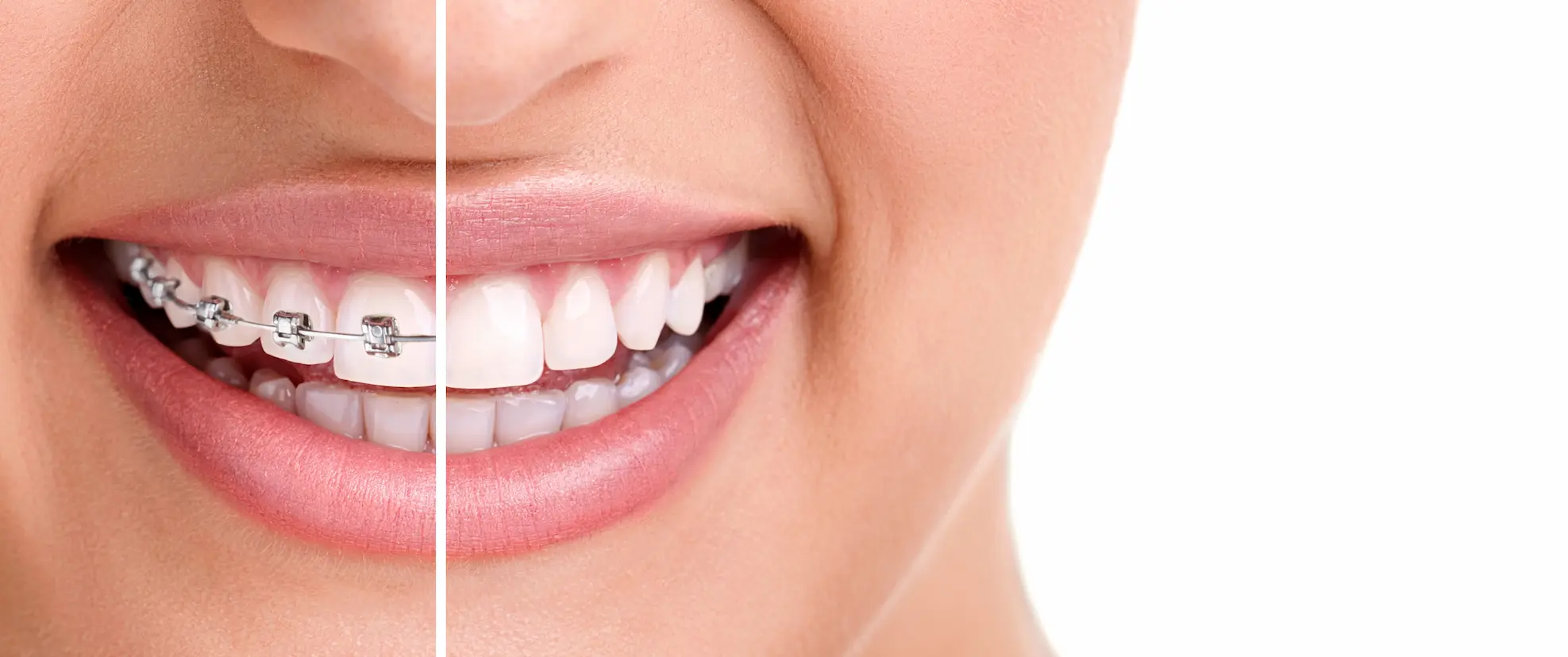

A wedding puts your smile on a bigger stage than almost any other day. There are engagement photos, bridal showers, rehearsal dinners, close family snapshots, video clips shot on phones, and then the ceremony itself, where every grin seems to get preserved from six different angles. That pressure is real. Even people who normally feel relaxed about their teeth often start noticing old bonding that has yellowed, one front tooth that sits slightly behind the other, or coffee stains that never quite lift with whitening toothpaste.
That is why interest in Cosmetic Dentistry Bakersfield CA tends to rise around wedding season. Bakersfield couples are often working against a deadline, a budget, and a calendar already packed with vendors, fittings, and travel plans. The right cosmetic dental plan can make a smile look brighter, cleaner, and more balanced without turning it into something artificial. The wrong plan, especially when rushed, can leave a person overtreated, uncomfortable, or stuck trying to fix temporary sensitivity the week of the ceremony.
The smartest approach is not chasing a perfect smile. It is choosing the right improvements for your face, your timeline, and the way you naturally smile when you are happy, laughing, and not thinking about your teeth at all.
What “wedding-ready” really means
Most people do not need a complete smile makeover before a wedding. They need refinement. In practice, that usually means reducing color differences, correcting a few visible chips or uneven edges, improving symmetry in the front teeth, or replacing old dental work that photographs poorly.
A wedding-ready smile has a few defining traits. It looks healthy first. The gums are calm rather than puffy or inflamed. The tooth color looks bright but believable. The front teeth feel proportionate to the lips and face. Most important, the person wearing the smile does not feel self-conscious. That confidence comes through in photos more than any particular shade of white.
Patients often arrive saying they want “veneers” when what they actually want is a more polished version of the smile they already have. Sometimes whitening and recontouring solve the whole problem. In other cases, bonding on one or two teeth creates enough harmony that veneers are unnecessary. Good cosmetic dentistry starts with restraint.
The Bakersfield factor, timing and lifestyle matter
Cosmetic treatment is never just about the teeth. Local habits, climate, and schedules influence both planning and outcomes. Bakersfield patients often juggle demanding workweeks, outdoor events, and family obligations, which makes appointment efficiency important. Heat and dehydration can make people more aware of dry mouth and temporary sensitivity after whitening. Coffee, red wine, sports drinks, and darker sauces also tend to show up often enough in real life that maintenance needs to be part of the conversation from the start.
Wedding schedules in Central California can move fast, especially if venues are booking tightly or family is traveling in from out of town. It is not unusual for someone to call a dental office eight weeks before the big day hoping for a dramatic smile transformation. Sometimes that can be done safely. Sometimes it should not be.
A careful dentist will tell you what fits your timeline and what does not. That honesty matters more than a sales pitch.
The treatments people ask for most often
When patients preparing for a wedding ask about cosmetic options, the same treatments tend to come up again and again: whitening, bonding, veneers, Invisalign or clear aligners, gum shaping, and replacing outdated crowns or fillings in the smile zone. Each one has a place. Each one also has trade-offs.
Whitening for fast visual impact
Teeth whitening is often the first place to start because it can change a smile quickly without altering tooth structure. For many brides, grooms, and family members, whitening alone creates enough improvement to photograph beautifully. Professional whitening usually gives a more even and predictable result than over-the-counter products, especially if there are existing restorations, patchy staining, or some sensitivity history.
That said, whitening has limits. It does not change the color of crowns, veneers, or tooth-colored fillings. If someone has an older front crown that already looks slightly darker or more opaque than the natural teeth, whitening everything else may make that mismatch more obvious. Timing matters too. Some patients experience short-term sensitivity for a day or two, occasionally longer. That is one reason many dentists prefer to whiten at least a couple of weeks before the wedding rather than right before it.
Bonding for chips, gaps, and small shape issues
Cosmetic bonding is one of the most useful treatments in wedding dentistry because it can correct small defects conservatively. A little edge repair on a chipped incisor, closing a tiny gap, or smoothing a tooth that looks shorter than its neighbor can make the entire smile look more intentional.
Bonding is not as stain-resistant or durable as porcelain, but in the right case it is excellent value. It also tends to be more budget-friendly than veneers, which matters when wedding costs are stacking up everywhere else. The best candidates have healthy bites and realistic expectations. If someone clenches heavily, bites edge to edge, or wants a major color change, bonding may not hold up as well or deliver the look they want.
Veneers when changes need to be broader
Porcelain veneers can create dramatic improvements in color, shape, alignment appearance, and proportion. For patients with multiple concerns across the front teeth, veneers may offer the most elegant path to a unified result. The key phrase there is “multiple concerns.” Veneers make sense when several visible teeth need correction at the same time, not as a default answer for every minor flaw.
The planning stage is where good veneer cases are won or lost. Tooth display at rest, lip mobility, facial symmetry, gum contours, and phonetics all matter. Overly white, bulky veneers often look acceptable in a mirror for five minutes and wrong in every candid photo thereafter. The best veneer work blends, it does not announce itself.
Veneers also require more lead time than many people expect. Records, design, preparation if needed, temporaries, lab work, try-in, and final placement all take coordination. If your wedding is in three weeks, veneers are usually not the treatment to start unless the case is unusually simple and your dentist feels fully comfortable with the timeline.
Clear aligners for crowding and spacing
When a patient says, “I do not hate my teeth, I just wish they were straighter,” clear aligners may be the best long-term investment. Small rotations, mild crowding, and spacing issues can often improve significantly over a few months. The challenge is that orthodontic movement takes biology, not wishful thinking. Teeth move on a schedule that cannot always be compressed.
For someone six to twelve months Cosmetic Dentistry Bakersfield CA out from a wedding, aligners can be a very strong choice. For someone six weeks out, they are less likely to be the answer if the goal is a visible change before the event. In that situation, a dentist may suggest limited cosmetic alternatives now, then pursue orthodontics afterward.
Gum shaping and smile framing
People focus on the teeth, but gums frame the smile. If one side sits higher than the other, or if short-looking teeth are actually being hidden by excess gum tissue, gum contouring can improve balance dramatically. In carefully selected cases, a small amount of laser or soft tissue reshaping creates a more open, proportional look.
This is not appropriate for everyone. The dentist has to determine whether the issue is truly gum tissue, tooth wear, eruption pattern, or underlying bone support. Like every cosmetic treatment, the visual benefit is best when the diagnosis is right.
How far ahead to start
The ideal wedding dentistry timeline depends on the treatment mix, but one principle rarely changes: earlier is easier. The patients who get the calmest, best-looking results are usually the ones who begin planning months in advance instead of squeezing everything into the final few weeks.
Here is a practical framework that tends to work well:
- Six to twelve months ahead is ideal for orthodontics, veneers in complex cases, gum recontouring, or replacing visible old dental work.
- Three to six months ahead works well for whitening, bonding, minor reshaping, and simpler cosmetic upgrades.
- Four to six weeks ahead is best reserved for maintenance, whitening touch-ups, polishing, and very limited refinements.
- The final one to two weeks should focus on healing, stability, and avoiding elective procedures that could trigger sensitivity or bite irritation.
- The week of the wedding is not the time for experimentation.
That timeline is not about being overly cautious. It is about leaving room for the real-life details that pop up all the time, a tooth that responds more slowly to whitening, a temporary edge that needs slight adjustment, or a shade that looks different in natural light than it did under operatory lights.
Why a natural result usually photographs better
One of the most common mistakes in cosmetic dentistry is designing for the magnified mirror rather than for the human face. Teeth that look strikingly white or aggressively uniform up close can read as flat, opaque, and distracting in photos. Wedding photography especially tends to reward natural translucency, gentle asymmetry, and tooth contours that catch light softly instead of glaring back.
A smile should fit the person’s age, skin tone, lip shape, and facial movement. A 24-year-old bride with delicate features may look best with subtle brightening and smoothing, not blocky ultra-white veneers. A 48-year-old groom replacing worn edges from years of grinding may benefit from a little length and polish, but not from a smile that suddenly looks disconnected from the rest of his face.
Experienced cosmetic dentists know that “natural” is not the same as “untreated.” It means the work disappears into the person.
Budget choices that actually make sense
Weddings force prioritization. Even patients who could technically afford every elective procedure often do not want to spend freely in every category at once. The useful question is not “What is the most dramatic treatment?” It is “Which treatment gives me the biggest visible improvement for the least biological and financial cost?”
In many real cases, the sweet spot is a combination of professional cleaning, whitening, and selective bonding. That trio can dramatically improve smile appearance without the commitment of veneers or the time required for aligners. On the other hand, if there is an old front crown, a dark root canal tooth, or multiple mismatched restorations in the smile zone, conservative shortcuts may just highlight the inconsistency.
A good consultation should include phased options. Maybe the pre-wedding phase handles whitening and bonding, while the longer-term phase addresses alignment or more extensive restorative work after the honeymoon. That kind of planning keeps treatment grounded in reality.
Questions worth asking at the consultation
A cosmetic consultation should leave you clearer, not more confused. If the conversation feels rushed or heavily sales-driven, that is usually a bad sign. Patients preparing for a major life event need honest guidance, not pressure.
A few Cosmetic Dentistry Bakersfield CA questions can quickly reveal how thoughtfully a case is being handled:
- What results are realistic in my timeframe?
- Will whitening affect my existing crowns or fillings?
- Are there conservative options before veneers?
- How much maintenance will this treatment require over the next few years?
- If I have sensitivity or need a small adjustment, how close to the wedding should we finish?
Those questions help shift the focus from glossy before-and-after promises to practical treatment planning.
The hidden issue, oral health first
Cosmetic work sits on top of biology. If gums are inflamed, if decay is active, or if a patient is grinding heavily at night, cosmetic treatment may look good initially and fail sooner than expected. This is especially important with wedding-driven dentistry, because people are sometimes tempted to skip the diagnostic part and jump straight to the aesthetic fix.
Healthy gums matter for photos too. Even expensive cosmetic dentistry will not look refined if the gum tissue is red, puffy, or uneven because of untreated inflammation. A thorough cleaning and periodontal evaluation can make more visual difference than people expect. The same goes for replacing a rough old filling that catches stain near the front of the mouth. Small functional details often support the cosmetic result.
What to avoid close to the big day
Late-stage cosmetic panic causes more trouble than almost anything else. If your wedding is very close, the safest path is usually stabilization and subtle refinement, not a complete redesign.
A few common mistakes stand out. Starting whitening too aggressively can trigger sensitivity just when you want to enjoy tastings, parties, and travel. Replacing multiple front restorations in a compressed timeframe can create shade and bite issues that need follow-up. Trying a trendy mail-order whitening or online aligner system right before formal photos can leave you disappointed without enough time to correct course.
If you are within two weeks of the wedding, the priority shifts. Clean teeth, polished surfaces, calm gums, and no discomfort are more important than chasing one extra degree of whiteness.
The role of photography in treatment planning
Cosmetic dentists increasingly use photographs as part of smile design, and for wedding patients that can be especially helpful. A resting smile, a broad smile, and a natural laugh often tell a different story than the still mirror image a patient sees at home. Some people show much more gum on one side when they smile fully. Others discover that a small chip they obsess over is invisible in most real expressions, while slight shade differences between two front teeth are much more obvious than expected.
Photography also helps set reasonable expectations. Patients can see whether they truly need alignment changes, width changes, or just color improvement. It turns a vague wish into a more precise plan.
For brides, grooms, and everyone else in the photos
Wedding smile planning is not just for the couple. Parents, siblings, and even officiants sometimes seek cosmetic treatment when they know they will be photographed heavily. The treatment choices are often a little different. A parent may prioritize replacing a stained old bonding edge or brightening safely around existing crowns. A groom may finally address the front tooth chipped during college basketball. A bride may want to soften white spot lesions that always bother her in photos.
The common denominator is not vanity. It is presence. People want to look like themselves, only more rested, polished, and at ease.
When “doing less” is the mark of a good dentist
Some of the best cosmetic treatment plans are modest. I have seen smiles transformed by polishing rough edges, contouring one canine that looked too pointed, whitening carefully over two weeks, and adding a touch of bonding to a worn incisal corner. The patient walked out looking fresher, not different. That is often the ideal result for a wedding.
The opposite also happens. A patient believes six veneers are the answer when two replaced fillings and whitening would have solved the actual problem. Restraint is not under-treatment when it meets the goal. It is clinical judgment.
This matters in Cosmetic Dentistry Bakersfield CA because wedding patients often arrive emotionally primed to overcorrect. They are comparing themselves to curated social media images and edited engagement shoots. A steady hand in the consultation room can save them from unnecessary dentistry.
Maintaining the result after the honeymoon
A smile makeover, even a small one, lasts longer when the patient understands maintenance. Whitening may need occasional touch-ups. Bonding can chip if someone opens packages with their teeth or chews ice habitually. Veneers look their best with good hygiene and routine polishing. Night guards are often worth discussing for patients who clench, especially after investing in cosmetic work.
The longer-term value of treatment depends less on the dramatic reveal and more on everyday care. Patients who know that going in tend to be happier with their investment because they are not expecting a one-time fix that never needs attention again.
Choosing the right office in Bakersfield
Not every dental office approaches cosmetics the same way. Some focus heavily on high-volume whitening and veneer marketing. Others are more conservative and restorative in their style. Neither is automatically wrong, but the philosophy should match what you want.
Look for an office that listens carefully to your concerns, takes diagnostic records when appropriate, explains alternatives, and respects your deadline without making reckless promises. Before-and-after images of actual cases can help, especially if they resemble your situation rather than showing only the most dramatic veneer transformations.
For patients exploring Cosmetic Dentistry Bakersfield CA, the best fit is usually a dentist who can balance aesthetics with function and who is comfortable saying, “Yes, we can do that,” or, just as importantly, “We should not rush that.”
A smile that feels like your own
The best wedding smile is not the whitest one in the room. It is the one you stop thinking about. When your teeth feel clean, balanced, and natural, your expression changes. You smile wider during the vows. You laugh without covering your mouth during toasts. You stop asking the photographer to reshoot every close-up.
That is the real promise of cosmetic dentistry when it is done well. It does not hand you a different face. It removes distractions so your happiness shows up clearly. For anyone considering Cosmetic Dentistry Bakersfield CA before a wedding, that is the standard worth aiming for: healthy, thoughtful, well-timed improvements that let you look like yourself on a very good day.
Toothworks of Bakersfield, Dentist and Orthodontist
Address: 1030 H St #1, Bakersfield, CA 93304
Phone number: +16613239421
FAQ About Cosmetic Dentistry Bakersfield CA
What is considered cosmetic dentistry?
Cosmetic dentistry includes any dental treatment focused primarily on improving the appearance of your teeth, gums, or bite rather than treating a disease or restoring basic function.
How much does cosmetic dentistry usually cost?
The cost of cosmetic dentistry typically ranges from a few hundred dollars for minor touch-ups to over $20,000 for a comprehensive smile makeover, depending entirely on the specific procedure, materials used, and how many teeth are treated. Because most cosmetic treatments are elective, they are usually paid out of pocket without insurance coverage.
Is there a difference between a regular dentist and a cosmetic dentist?
Yes, a regular dentist focuses on your overall oral health and preventing disease, while a cosmetic dentist focuses on improving the look of your smile.